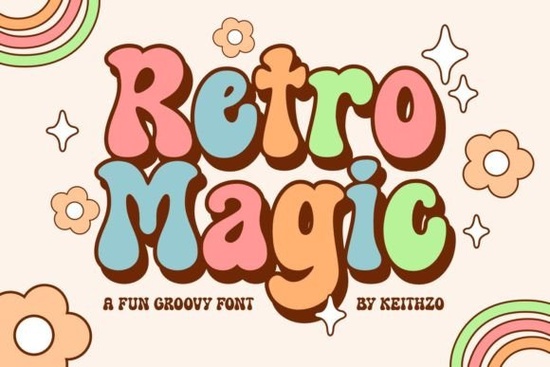
Choosing the right typography can shift the entire mood of your project, often without changing a single color or image. If you are looking for something that balances elegance with a warm, vintage appeal, the Retro Magic Font fits perfectly into romantic layouts, wedding invitations, or boutique branding. It avoids the harshness of overly bold modern typefaces while maintaining strong legibility across various screen sizes. This typeface brings a polished yet nostalgic energy that appeals to customers who appreciate detail.
What Makes This Typeface Stand Out?
Many fonts try too hard to be retro, resulting in designs that feel dated rather than classic. This specific display option focuses on that exquisite feel mentioned in its product details. The curves are smooth, allowing for elegant flourishes that work beautifully in logotypes or header text. Because it is a display font, it shines best when used for short text elements rather than long paragraphs. You might find yourself reaching for it whenever you need to grab attention on a social media post or a printable flyer.
The design allows for high contrast, meaning thick strokes transition smoothly into thin ones. This creates a dynamic rhythm on the page. While it leans towards a softer side, it still commands presence. If your brand identity feels too clinical, introducing this style adds personality without needing complex illustrations. It pairs well with watercolor backgrounds or textured paper overlays to enhance the tactile illusion.
Pairing Fonts for Different Projects
One common challenge is knowing what body text supports a display font. Sometimes a sans-serif works, but other times a script is better depending on the message. If you prefer a sweeter, more whimsical pairing for party materials, you might look at sweet, sugary styles like these. Those options complement the magic theme without competing for dominance. Conversely, if you need something strictly structural to balance out the ornamental letters, cleaner geometric options such as simple stacked font styles provide the necessary contrast.
Nostalgia comes in many forms, so the color palette often dictates which companion font works best. For projects involving vibrant, faded colors or dreamy imagery, exploring nostalgic palettes found in these resources helps maintain visual consistency. On the other end of the spectrum, if your design is edgier perhaps targeting streetwear brands you might want to mix things up with more distressed textures alongside edgy grunge variations for a rugged effect.
Sometimes, the "retro" request isn't about romance but about sports heritage or utility. For merchandise like t-shirts or caps that aim for a collegiate vibe, mixing this display choice with athletic heritage looks with varsity accents creates a cohesive sports-themed collection. Diversifying your library helps you tackle client requests that fall outside the standard templates.
Licensing and File Usability
Before adding the font to a client deliverable, understanding the license terms is essential. Most creators on platforms like Creative Fabrica offer specific tiers for personal use versus commercial rights. Always verify if you can resell products made with the font, such as physical prints or digital templates. For accurate information on availability and current offerings, you can visit Retro Magic Font directly on the site.
File compatibility matters significantly for workflow efficiency. Check if you receive TTF and OTF files to ensure they install easily on both Windows and Mac systems. Some versions come with OpenType features like ligatures or alternate characters, which save hours of manual editing time. Test the kerning yourself before setting the final price for a quote, especially if spacing is tight between specific letter pairs.
Practical Implementation Tips
To get the most out of any display font, keep your background uncluttered. A busy texture behind ornate letters makes the text harder to read, defeating the purpose of the style. Adjust tracking slightly tighter for headers to lock the letters together visually. If you are designing for print, remember that thin hairlines may disappear if the ink coverage is low or the paper quality is poor.
- Scale Correctly: Display fonts lose impact when shrunk too small. Use a minimum size of 24pt for print and scale proportionally for web.
- Kerning Check: Manually inspect pairs like 'AV', 'To', or 'Le' to ensure consistent spacing visually.
- Color Contrast: Ensure high contrast between the text and background for accessibility and readability.
- Licensing Review: Confirm your subscription tier covers the intended commercial use case.
By combining a distinct style like this with thoughtful pairings and technical checks, you create professional results that stand out. Experiment with blending modes or drop shadows sparingly to add depth. Ultimately, letting the typography do the heavy lifting reduces the need for excessive graphic elements.
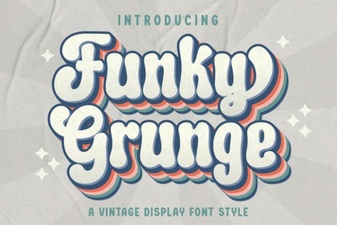 Craft a Creative Grunge Font for Your Next Design
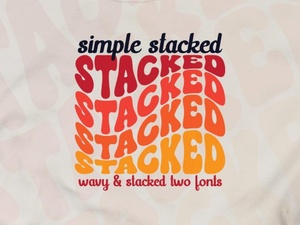 Simple Stacked Fonts: Typography Design Ideas
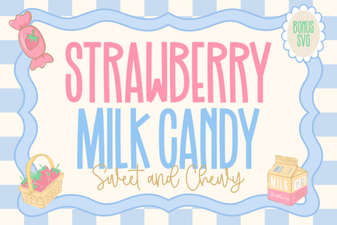 Sweet & Simple: the Strawberry Milk Candy Font
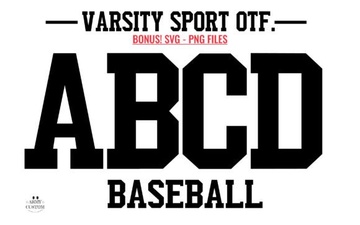 Varsity Army Fonts for Sports Branding & Diy Projects
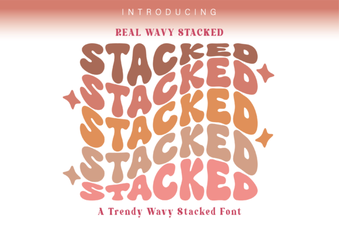 Design with Real Wavy Stacked Font Ideas
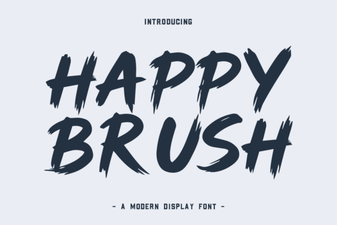 Happy Brush Fonts for Creative Projects & Designs