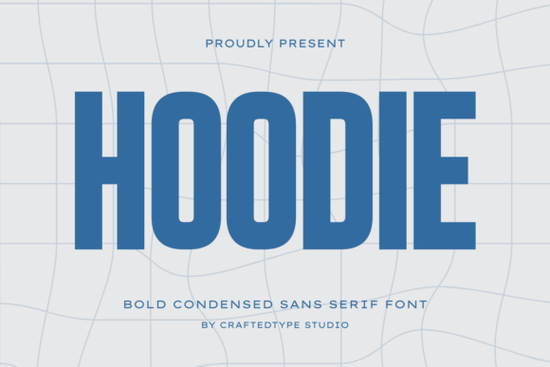
Finding the right heavy-duty typeface can make or break your merchandise line. For creators selling apparel or designing sporty graphics, Hoodie Font offers the commanding presence needed to stand out on a rack. It fills a specific niche for designers who need something readable at a large scale but still carries attitude without being overly ornate.
What Kind of Designs Suit This Type?
This font excels in environments where space is tight but visibility must be high. You often see users applying it to chest logos on jackets, front prints on shirts, or side sleeves where width matters. Because the letters are condensed, you can fit longer text across a shorter area without sacrificing the legibility that standard wide fonts sometimes lose at smaller sizes.
Urban aesthetics often rely on industrial vibes, and the thick, solid strokes here match that mood well. Gym wear and sports teams benefit from the energy it projects. If you are running a print-on-demand shop, having assets that translate clearly onto black backgrounds is essential. The high contrast between the bold weight and negative space ensures the design pops whether it is embroidered or screen-printed.
How Does It Handle Technical Details?
When importing files into software, knowing what you are working with saves time. This family comes in both OTF and TTF formats, covering most major vector and raster design platforms. Whether you are using Adobe Illustrator for detailed artwork or cutting machines like Cricut and Silhouette for physical production, compatibility remains consistent.
The inclusion of PUA encoding means all characters are easily accessible without hunting through hidden Unicode tables. PUA stands for Private Use Area, allowing access to special symbols and alternate characters that standard keyboards might miss. For a designer dealing with multilingual text or complex graphic overlays, this feature simplifies the workflow significantly.
Exploring Similar Styles in Your Library
While Hoodie Font serves the streetwear market specifically, you might want to branch out for other seasonal collections. If your audience prefers cleaner, minimalist looks alongside the bolder pieces, checking out Polaroid Font provides a stark contrast that keeps the portfolio balanced.
Sometimes a softer touch helps soften the overall brand identity. You can mix this aggressive style with something fluid like Mango Dream Font to create a lifestyle collection that feels versatile. For events or motivational posters that need a bit more personality, Fantastic Moment Font offers a unique flair while maintaining readability.
Comparing Condensed Options
Choosing between condensed options usually depends on the message. A tighter kerning creates a uniform wall of text, great for headers. A wider spacing reads better for body copy or short slogans. Hoodie Font leans heavily into the former, making it perfect for titles rather than paragraphs. Using the wrong density can make a logo look cramped or cluttered when scaled down for social media profiles.
Is It Worth Adding to Your Toolkit?
The decision to purchase usually boils down to how often you need that specific look. If you are building a clothing line dedicated to athletic or casual wear, the investment pays off quickly. It requires less manipulation to make letters pop compared to regular serifs. The vertical emphasis draws the eye upward, which suits the way we scan images on mobile devices.
You can test its versatility by trying it in grayscale before applying colors. This step checks for balance without the distraction of hue choices. Once you confirm the structure holds up in monochrome, adding gradients or textured overlays becomes much easier. Many creators find that starting simple leads to a stronger final asset that stands the test of time.
- Download the package containing both OTF and TTF versions.
- Install the files to verify all glyphs render correctly.
- Test the font against a dark background image to check contrast.
- Export a mockup of the design on a product to visualize the scale.
- Create a variation using the alternative weights if available.
Before launching your campaign, ensure you have tested the license terms regarding resale rights. Most commercial licenses allow you to sell physical goods but may restrict digital redistribution. By following these steps, you maintain professional standards while maximizing the potential of your chosen typeface.
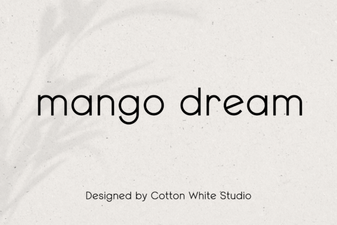 Mango Dream Font: Creative Design & Typography Projects
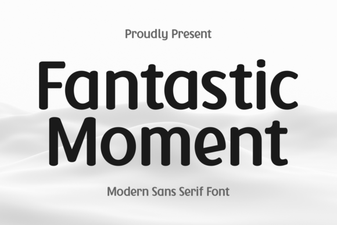 Fantastic Moment Font for Creative Design Projects
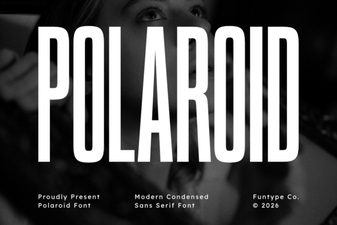 Creative Projects Using the Polaroid Font Style
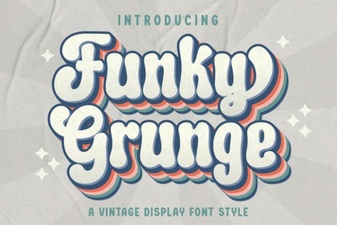 Craft a Creative Grunge Font for Your Next Design
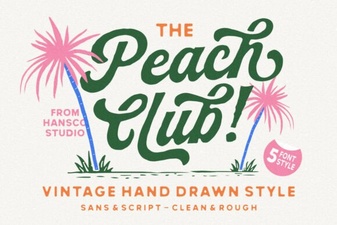 The Peach Club Font in Creative Projects
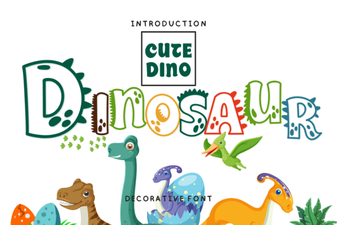 Free Dinosaur Fonts for Creative Design Projects